Customer Experience
World Cup spotlights LinkNYC's new role as a digital town square
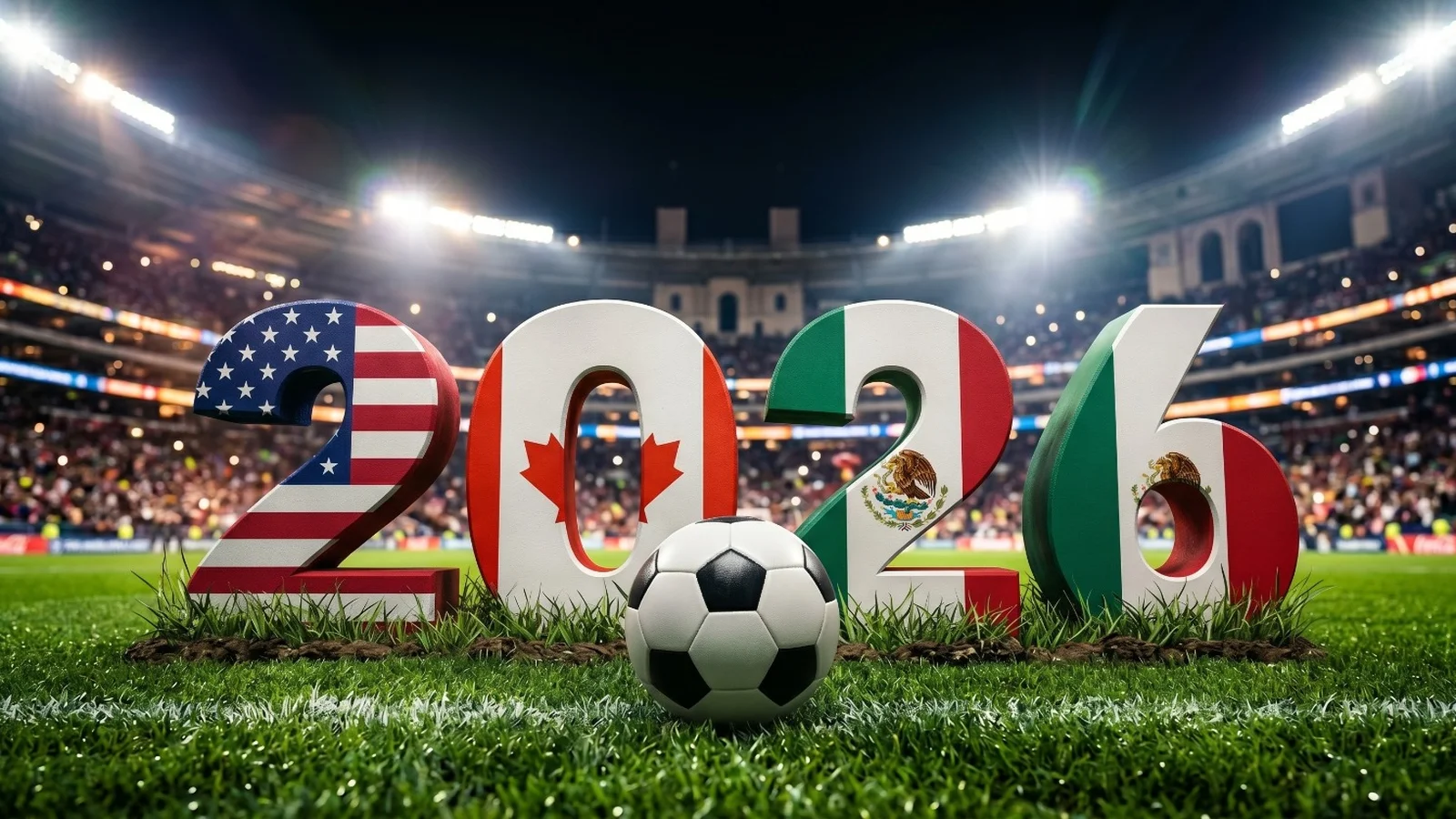
As New York prepares to host FIFA World Cup matches, the city's decision to livestream games on 200 LinkNYC kiosks suggests a broader future for digital public infrastructure: one in which kiosks serve not only as information hubs, but as catalysts for shared experiences.
June 23, 2026 by Richard Slawsky — Editor, Connect Media
 ChatGPT
 Grok
Grok Perplexity
 Claude
As New York prepares to host FIFA World Cup matches, the city's decision to livestream games on 200 LinkNYC kiosks suggests a broader future for digital public infrastructure: one in which kiosks serve not only as information hubs, but as catalysts for shared experiences.
The initiative, announced by New York City officials in partnership with Spanish-language television network Telemundo, will bring five World Cup matches to LinkNYC kiosks across the five boroughs through July 19. City leaders describe the program as a way to transform everyday public spaces into gathering places where residents can experience the tournament together.
Telemundo is owned by NBCUniversal, which is part of Comcast. According to the U.S. Census Bureau's latest American Community Survey, approximately 1.8 million New York City residents speak Spanish at home, representing 23.1% of the city's population age 5 and older.
"You shouldn't need a ticket to MetLife to feel connected to the world's game," Mayor Zohran Mamdani said in a press release. "Whether you're heading home from work, meeting friends or just walking to the bodega, you'll have a chance to stop, watch and share in a moment that brings incredible soccer moments directly to you."
At first glance, the idea may seem like a novel promotional campaign tied to a global sporting event. Still, the concept raises a more significant question for the self-service and digital signage industries: What happens when public kiosks become platforms for community building?
A new role for public infrastructure
For more than a decade, LinkNYC kiosks have functioned primarily as communications infrastructure. The kiosks provide maps, transit information, public notices, free Wi-Fi, device charging and access to emergency services.
The World Cup activation expands that mission into the realm of public engagement.
"This initiative shows how public infrastructure can create shared experiences at city scale while keeping people connected to the information and moments that matter most," said LinkNYC CEO Nick Colvin in the release. "By partnering with the city, Intersection, and Boldyn Networks, we're turning one of the country's largest digital communications networks into a platform that helps New Yorkers and visitors experience the World Cup together, wherever they are in the city."
Intersection is a New York-based smart-city technology, digital media and out-of-home advertising company that operates LinkNYC kiosks. Boldyn Networks is a global telecommunications infrastructure provider that supplies connectivity.
The Telemundo partnership comes on the heels of a similar effort during the New York Knicks' NBA Finals run, which saw 130 kiosks across all five boroughs stream game five of the championship series. That move followed a successful game four broadcast on dozens of LinkNYC screens, marking the first time live sports programming had been shown on the city's kiosk network and turning sidewalks and gathering spots into impromptu watch parties.
From audience to community
Few forms of content generate spontaneous social engagement as reliably as live sporting events. Fans celebrate together, debate outcomes and share emotional reactions in real time. Even strangers can find common ground in a dramatic goal, controversial call or championship moment.
The LinkNYC World Cup initiative effectively distributes that experience across an entire city. Instead of concentrating spectators in a stadium, sports bar or living room, it creates dozens of smaller viewing groups throughout neighborhoods. In effect, the city is creating a distributed network of micro watch parties connected by a common event.
"The World Cup is about bringing people together and creating moments that everyone, no matter where they are on match day, can be part of," Alex Lasry, CEO of the New York New Jersey Host Committee, said in the release. "By activating LinkNYC kiosks across the city, we're making sure everyone can experience the energy and excitement of the tournament."
The shift is significant because it reframes the value proposition of public kiosks. Rather than serving individuals one at a time, the kiosks become destinations that attract groups of people simultaneously, ultimately becoming anchors that encourage people to linger in commercial districts rather than simply pass through them.
"Despite challenges, the community benefits are huge," Sean Markey, founder of digital marketing consultancy LocalSEO.net, said in an email interview.
"Spontaneous gatherings build genuine connection between people who would never talk otherwise," Markey said. "Free access bridges the digital divide for those without streaming services. Local shops benefit from foot traffic, and from my local SEO work, I know that foot traffic drives online reviews and searches."
For kiosk operators and municipalities, such gatherings could create value beyond viewership by increasing dwell time, boosting nearby commerce and creating new opportunities for sponsorship and digital out-of-home advertising.
The psychology behind shared digital experiences
While anecdotal evidence suggests public displays can encourage social interaction, a growing body of research indicates that digital technologies can strengthen social connections when thoughtfully integrated into public spaces.
A 2024 study, We Are The Clouds: Blending Interaction and Participation in Urban Media Art, examined how large-scale digital displays and urban media installations can transform public spaces into environments that foster interaction, participation and community engagement.
The researchers argue that digital public displays can help counter the loss of cultural identity often associated with modern urban environments by creating opportunities for collective experiences and social interaction.
The study highlights several examples where public-facing digital installations evolved into social gathering points. One project transformed a city square into what researchers described as a "playground," creating new relationships between residents and their environment.
Another installation became a recurring meeting point where local residents gathered to participate in shared activities. Researchers concluded that interactive urban media can transform pass-through locations into vibrant social spaces that encourage new encounters and community connections.
Particularly relevant to the LinkNYC initiative is the paper's finding that digital public installations can create what researchers call "relational space," environments where technology helps facilitate social interaction rather than replace it. The authors found that combining participation and interaction in public digital experiences can strengthen social cohesion, animate public spaces and create a stronger sense of place.
In other words, the value of the display lies not only in the content being shown, but in the people who gather around it.
Challenges beneath the opportunity
The vision is compelling, but it is not without challenges.
Markey points to several practical concerns. Crowding around kiosks located at busy intersections could create safety issues. Technical reliability becomes critical when large audiences are relying on a live stream. Even brief outages or buffering interruptions could undermine the experience.
Content licensing and broadcast rights also require careful management, particularly for globally valuable sports properties such as the World Cup.
There are broader operational questions as well. How should cities measure success? Is it viewership, dwell time, pedestrian traffic or economic impact? How should agencies balance entertainment programming with informational and civic uses of public infrastructure?
The answers will likely require new analytics frameworks and performance metrics. Traditional kiosk measurements such as screen impressions may be insufficient when evaluating community-building initiatives.
Perhaps the most intriguing aspect of New York's World Cup experiment is what it signals about the future of public digital infrastructure.
Research into emerging public-facing technologies consistently points to the importance of social acceptance and shared experiences. A 2024 study on extended reality technologies in public settings found that people remain highly aware of their surroundings and are strongly influenced by the social context around them. Researchers concluded that public technologies gain acceptance when they support meaningful interaction rather than isolate users from those around them.
The LinkNYC initiative follows that principle. Instead of creating a personalized digital experience, it creates a collective one. The technology recedes into the background while the shared event takes center stage.
For kiosk operators, municipalities and digital signage providers, that may be the most important lesson. The next phase of public digital infrastructure may not be defined by larger screens, faster processors or more advanced software. It may be defined by how effectively those technologies bring people together.
And that possibility extends far beyond soccer. Future applications could include civic celebrations, cultural festivals, public art exhibitions, emergency communications, election coverage, local sporting events and community programming tailored to individual neighborhoods.
If New York's experiment succeeds, the implications could extend far beyond sports. Public kiosks have traditionally been judged by transactions, impressions and connectivity metrics. The next generation may be measured by something far less tangible but potentially more valuable: their ability to create shared experiences and strengthen the communities they serve.
About Richard Slawsky
In addition to writing, Slawsky serves as an adjunct professor of Communication at the University of Louisville and other local colleges. He holds both a Bachelor’s and a Master’s degree in Communication from the University of Louisville and is a member of Mensa and the National Communication Association.
Related Media
Subscribe
Get the latest news and resources from Kiosk Marketplace.
Recent Posts