Government
Federal rural health funding opens opportunities for telehealth kiosks
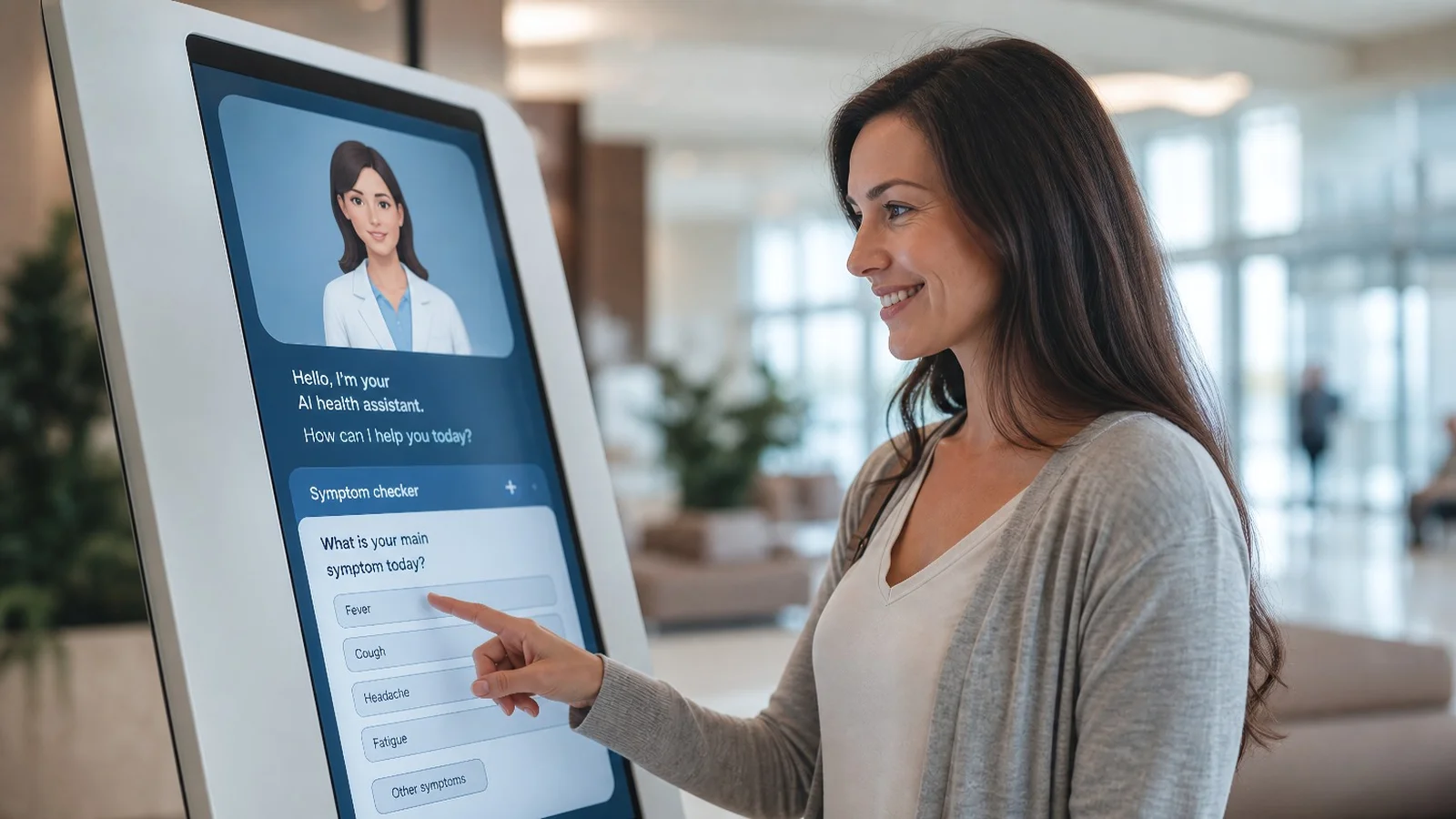
Nearly $554 million in federal rural health funding across four states could create opportunities for telehealth kiosks, with Florida specifically targeting diagnostic kiosks and pharmacy-based virtual care. Success will depend on accessibility, clinical oversight, connectivity and sustainable operations.
November 3, 2026 by Richard Slawsky — Editor, Connect Media
 ChatGPT
 Grok
 Perplexity
 Claude
Nearly $554 million in recently announced federal rural health funding across four states could create opportunities for telehealth kiosk providers, with Florida specifically identifying diagnostic kiosks and pharmacy-based virtual care among its planned investments. The awards support a broad range of healthcare initiatives, not just kiosks.
The Centers for Medicare & Medicaid Services announced $193.7 million for 45 Florida organizations Oct. 23, followed by announcements of $87 million for Texas and more than $233 million for California Oct. 29, and $39.7 million for Missouri Oct. 30. The awards fall under the national Rural Health Transformation Program, but each state is pursuing a different approach.
For kiosk manufacturers, telehealth software providers and systems integrators, the opportunities will depend on how funded organizations translate their projects into equipment purchases, clinical services and ongoing operations.
Florida puts pharmacies in the picture
Florida's funding supports telemedicine, remote patient monitoring, pharmacy-based services, diagnostic kiosks and community paramedicine, in which specially trained emergency medical personnel deliver certain nonemergency services outside traditional hospital settings. CMS said the 45 recipients involve more than 500 partnerships among hospitals, clinics, local governments and community organizations.
The state's Agency for Health Care Administration identifies local pharmacies as potential locations for telehealth kiosks. Its program supports on-site clinical assistance or kiosks connecting patients with care remotely. Florida's grant application also describes pharmacy-based screenings and treatment for minor illnesses and injuries by licensed practitioners working within their scope of practice.
"Florida's application reflects what we have heard directly from our providers, stakeholders, and rural communities about the challenges they face and the solutions they need," said Shevaun Harris, AHCA secretary, in a November 2025 announcement describing the state's proposal.
The approach could place a remote care connection inside a familiar community business. Depending on equipment and clinical staffing, pharmacy-based access points could support remote consultations, basic screenings or referrals to specialists. The announcements do not identify kiosk manufacturers, installation counts or funding reserved specifically for kiosk equipment. Florida also plans virtual specialty clinics and other remote services, including behavioral health, intensive care and stroke support; those initiatives should not be assumed to use kiosks.
California expands regional care and telehealth
California has committed its full fiscal 2026 program allocation, more than $233 million, to improving rural care, according to CMS. Its strategy includes regional care networks, telehealth, workforce development and upgraded technology.
The investment is intended to expand local access to primary, maternal, specialty and behavioral health services. Partnerships with midwives, doulas and community health workers will support maternal and primary care, while education and training pathways aim to strengthen the workforce.
California's announcement provides broader context for community telehealth access points, although it does not specify kiosk purchases or deployment locations.
Texas focuses on providers and chronic disease
Texas will direct $87 million to 129 rural health care providers through Rural Texas Strong, CMS said. Priorities include preventing and managing diabetes, cardiovascular disease and chronic respiratory disease.
The funding also supports recruiting and retaining physicians, emergency medical personnel and other professionals, replacing aging medical equipment and improving existing facilities.
"These awards will build on the work medical teams do every day to care for rural Texans," said Stephanie Muth, executive commissioner of the Texas Health and Human Services Commission, in the state's Oct. 29 announcement.
For technology suppliers, any potential role will depend on the individual projects and purchasing decisions of funded organizations.
Missouri upgrades facilities and diagnostics
Missouri's $39.7 million announcement covers 26 rural providers renovating, equipping, reconfiguring or repurposing existing facilities. Projects support maternal and behavioral health, diagnostics, outpatient services and chronic disease management.
Planned improvements include labor and delivery rooms, private triage rooms, behavioral health services for older adults and people with substance use disorders, and MRI, mammography and ultrasound equipment. Funding also will expand primary care and rural clinic capacity.
Unlike Florida's announcement, Missouri's release does not specifically identify diagnostic kiosks. Its emphasis on clinical infrastructure illustrates why rural health funding should not be treated as a uniform self-service equipment program.
Community stations show how access can work
Although the new state awards have not established specific kiosk deployments, existing community telehealth programs demonstrate how shared technology can help patients access remote care.
The Department of Veterans Affairs' ATLAS program provides private community spaces with high-speed internet and audiovisual equipment. Attendants help veterans connect and troubleshoot technical problems, then leave before consultations begin. They do not access patients' medical or personal information.
Available services depend on the associated VA medical center and may include primary, mental health and specialty care. ATLAS is separate from the state awards, but illustrates how local assistance can support remote clinical services.
Colorado's Connect to Health pilot offers another model. Funding reached 26 rural libraries representing 41 branches, supporting private telehealth spaces or equipment kits patrons could borrow. Staff can assist with technology, and the initiative includes blood pressure cuffs and scales donated by the American Heart Association.
Moving from funding to usable services
Federal guidance advises patients using community internet for telehealth to find a private location and ensure their provider uses a secure connection. For operators, that makes privacy and reliable connectivity central to planning considerations.
"Kiosks should be viewed as access points into the healthcare delivery system," said Dr. Sal Raichbach, chief clinical officer of The Haven Detox Group, in an email interview. The company operates addiction and mental health treatment centers across seven states and Puerto Rico.
Raichbach said successful deployments require clearly assigned clinical responsibilities, escalation procedures, technical support, privacy safeguards and processes for referrals and appointments after virtual encounters. Without those arrangements, kiosks may improve access to an initial consultation without ensuring continuity of care.
Raichbach said kiosks are best suited to structured services such as certain screenings, routine follow-up appointments, behavioral health consultations and specialist referrals. They are less effective when a patient needs a physical examination, immediate diagnostic testing or emergency treatment. Operators must have a process for directing patients to appropriate in-person care when remote services are insufficient.
Accessibility will be another consideration as health care kiosks move into pharmacies and other community locations.
"Health care kiosks have always been a tricky proposition from an accessibility perspective," said David LoPresti, founder and CEO of Los Angeles-based CompliCorp, a digital accessibility consulting firm, in an email interview.
LoPresti said operators must address both digital interface standards and physical accessibility under the Americans with Disabilities Act, asn installation error as simple as mounting a kiosk too high can prevent wheelchair users from accessing it.
The national program will provide $50 billion for fiscal years 2026 through 2030. Florida's and Missouri's announcements represent portions of their fiscal 2026 allocations; California's describes its full allocation. None of these broad funding amounts should be mistaken for a dedicated kiosk budget.
For kiosk manufacturers and health care operators, the next phase will involve determining which funded organizations intend to purchase self-service equipment, where it will be installed and how clinical staffing, connectivity, technical support and ongoing maintenance will be paid for. Ultimately, completed visits, dependable access and appropriate follow-up will be more informative measures of success than equipment counts alone.
Automation is changing how — and where — people shop, eat and access services. The Automated Retail & Kiosk Innovation Show, Dec. 14-16 in Miami Beach, brings together the technologies, ideas and experts shaping the future of self-service and unattended retail.
About Richard Slawsky
In addition to writing, Slawsky serves as an adjunct professor of Communication at the University of Louisville and other local colleges. He holds both a Bachelor’s and a Master’s degree in Communication from the University of Louisville and is a member of Mensa and the National Communication Association.
Related Media
Subscribe
Get the latest news and resources from Kiosk Marketplace.
Recent Posts