Transportation
EV charging report highlights opportunities for kiosks and automated retail
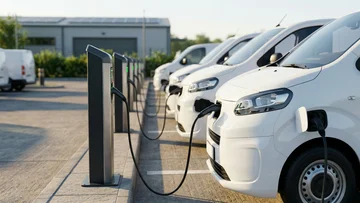
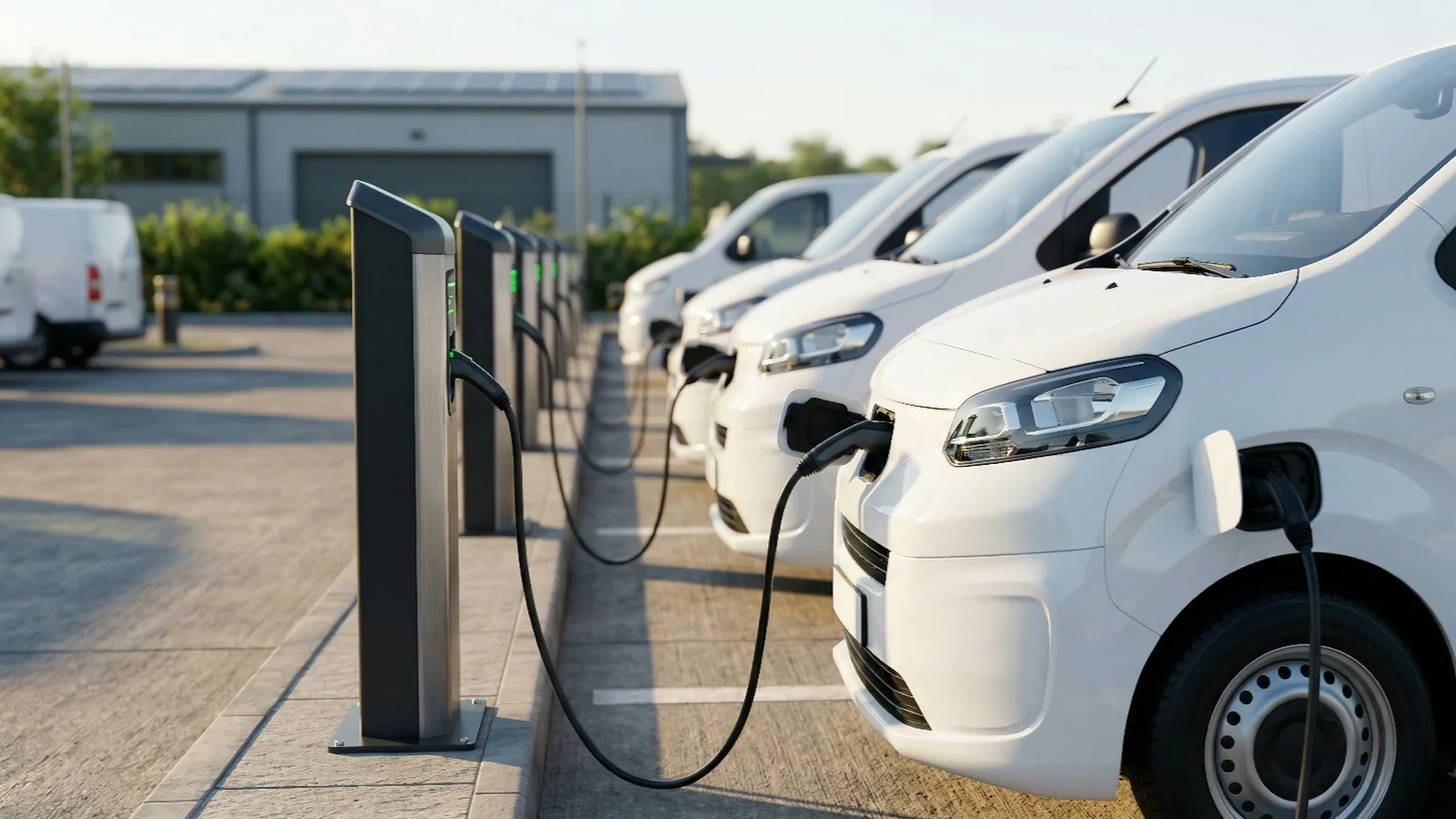
Electric vehicle charging demand is growing faster than the infrastructure available to serve it, creating an opportunity for retailers and self-service technology providers to turn charging stops into automated commercial destinations.
September 22, 2026 by Richard Slawsky — Editor, Connect Media
 ChatGPT
 Grok
Grok Perplexity
 Claude
Electric vehicle charging demand is growing faster than the infrastructure available to serve it, creating an opportunity for retailers and self-service technology providers to turn charging stops into automated commercial destinations.
Charging sessions across ChargePoint's network increased 34% in 2025, while new charging port installations increased 16%, according to the company's "Charging Forward 2026" report. The findings were based partly on data collected from more than 100 million charging sessions enabled by the company during the year.
For the kiosk industry, the figures reveal more than a need for additional chargers. They point to an expanding customer base spending 10 to 20 minutes or longer at locations that could support automated stores, smart lockers, self-service food kiosks, digital signage and other unattended services.
ChargePoint added access to 190,000 charging ports to its network, but charging-session growth exceeded port growth by 18 percentage points. The company warned that the bottleneck could worsen unless the pace of charger installations increases.
The report also found that 1 million electric vehicle drivers now use ChargePoint each month. Nearly 60% of the 19.3 billion electric miles the company has enabled since its founding occurred during the past two years.
Charging time becomes retail time
Gasoline stations are designed to get motorists back on the road within minutes. Electric vehicle charging changes that customer journey by creating a longer visit, giving retailers more time to engage drivers and sell products or services.
ChargePoint's Express Solo fast charger, co-developed with power management company Eaton, is designed for 10- to 20-minute stops at convenience and retail locations. The charger can deliver up to 600 kilowatts to one vehicle or distribute power among as many as four vehicles. ChargePoint says the unit occupies 23% less space than competing models, allowing it to operate at urban businesses or other properties with room for only one charger.
The company said retailers increasingly view charging as a way to attract customers. It also pointed to rewards programs as one method of encouraging drivers to enter a store or return to the location.
"Studies have shown that retailers can see an increase in foot traffic and retail revenue once EV chargers have been installed," ChargePoint officials said in an email response to questions from Kiosk Marketplace. "Retailers are realizing this and starting to embrace EV charging as a way to attract customers."
Research cited in a January Vending Times article supports that possibility. A Massachusetts Institute of Technology study cited in that article found that businesses near public charging stations experienced higher consumer spending after the chargers began operating. Businesses closest to the chargers recorded the largest increases.
A survey by charging company FLO found that 51% of electric vehicle drivers used on-site amenities while charging at a fast charger. Among those customers, 60% used the time to eat or purchase refreshments.
Those findings suggest that charging locations can support more than traditional convenience stores. Depending on the site, the self-service mix could include refrigerated food kiosks, coffee machines, smart lockers for online orders, automotive supplies, mobile phone accessories, local information, car wash purchases and interactive displays promoting nearby businesses.
The charging station itself can also serve as a digital customer touchpoint. Its screen could support loyalty enrollment, advertising, coupons, wayfinding or offers based on the expected charging time.
From charging station to self-service hub
ChargePoint said automated retail could eventually become part of charging hubs, particularly when property owners want to create a destination experience around the equipment.
"There are likely many scenarios in the future that could attract customers to an EV charging station and make the experience even more convenient for them," officials said. "Automated retail could possibly play into the future, as well as ideas that retailers haven't even thought of yet."
Some charging operators are already experimenting with that broader model. A BP Pulse charging hub near Los Angeles International Airport features 48 ultrafast charging bays, a customer lounge, vending machines, restrooms and free Wi-Fi. The location demonstrates how charging infrastructure can anchor a collection of unattended and staffed amenities instead of operating as a stand-alone utility.
Eli Itzhaki, founder and CEO of automotive locksmith company Keyzoo, said in an email interview that charging sites could develop into "mini-malls" where customers shop from vending machines or retrieve purchases from secure lockers.
The machines could carry snacks, beverages, car care products and automotive supplies, he said. Other possibilities include key duplication, device charging, travel products and emergency roadside items.
James McNally, managing director of vehicle-hire company SDVH, said via email that charging creates a different type of customer than a gasoline stop.
"A driver waiting 20 minutes or more will be a very different customer to one stopping by for five minutes to fill their tank," McNally said.
Still, the retail concept must match the location. Drivers at a shopping center may be willing to browse stores or eat a meal, while customers at a highway charging site may place a higher priority on speed.
A small, carefully selected automated retail assortment may therefore work better than a large store at many sites. Operators can tailor the merchandise and services to the property's traffic patterns, charging speeds and typical customers.
Reliability will shape the experience
The success of these concepts will depend on more than installing a charger beside a kiosk. Drivers must be able to locate the equipment, begin a charging session, make purchases and return to the road without encountering payment failures, empty machines or broken hardware.
Connectivity is particularly important because both the charger and adjacent self-service systems depend on digital payments, remote monitoring and real-time availability information. A malfunctioning charger reduces traffic to the site, while an inoperable kiosk or payment terminal undermines the revenue opportunity created by the charger.
ChargePoint officials said customers using its Assure and Assure Pro service plans experience 98% station uptime. The company is also deploying artificial intelligence to diagnose charger problems from photographs submitted through its app. The system connects the report to the driver's location, analyzes the images and sends its findings to ChargePoint's network operations center.
The report also highlights cut-resistant charging cables and ChargePoint Protect, a system that uses a station's existing sensors, lights, screen and speakers to detect tampering, activate an alarm and notify the property owner.
Security, accessibility and lighting will be equally important for surrounding kiosks and automated stores, particularly at charging locations operating around the clock. Equipment must be easy to find and use while remaining resistant to vandalism and weather.
The charger may bring drivers to a property, but the complete customer experience will determine whether they return. As charging demand continues to increase, the most successful locations could be those that treat electric vehicle infrastructure not as a utility in the parking lot, but as the center of a connected self-service destination.
About Richard Slawsky
In addition to writing, Slawsky serves as an adjunct professor of Communication at the University of Louisville and other local colleges. He holds both a Bachelor’s and a Master’s degree in Communication from the University of Louisville and is a member of Mensa and the National Communication Association.
Related Media
Subscribe
Get the latest news and resources from Kiosk Marketplace.
Recent Posts