Customer Experience
South Korea confronts digital divide as seniors struggle with kiosks
September 15, 2026
 ChatGPT
 Grok
Grok Perplexity
 Claude
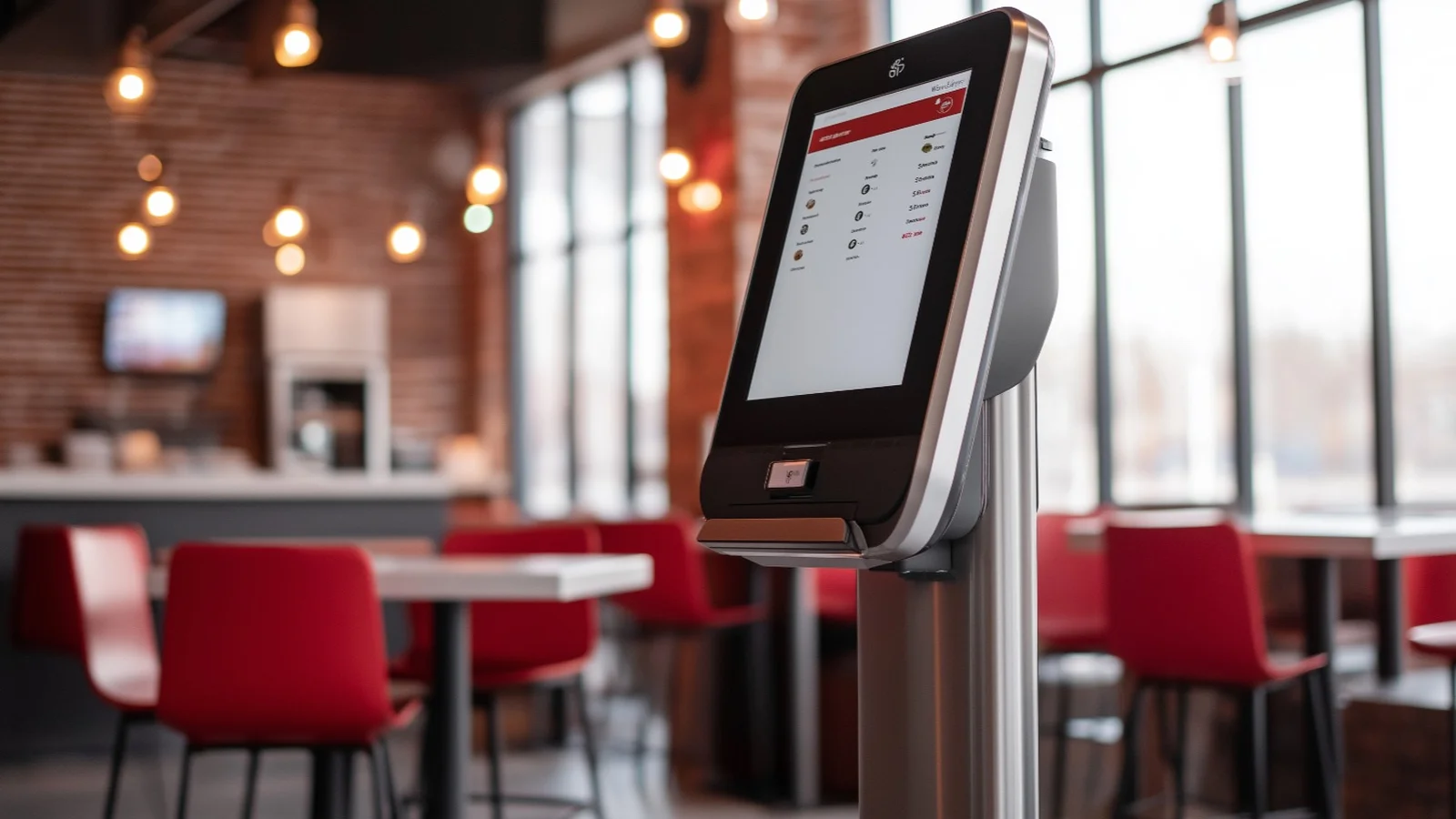
South Korea's rapid adoption of kiosks, smartphone apps and other digital services is leaving many older residents struggling to complete routine tasks, from ordering food and buying baseball tickets to hailing taxis, according to a South China Morning Post report. A government survey found that 60% of South Koreans over 60 have difficulty using public and commercial services due to limited digital skills.
The problem is particularly significant because South Korea is a "super-aged" society, with more than 20% of its population 65 or older. Nearly 90% of taxi drivers use ride-hailing apps, while more than 80% of South Koreans over 60 continue trying to hail taxis on the street. Older residents can also face difficulties accessing medical and government services as more transactions move online or to kiosks. Separate Seoul research released earlier this year found that although kiosk use among older residents increased to 71.7%, 63.3% still reported difficulty using the machines.
South Korea is responding with digital training programs that teach older residents how to use smartphones, apps, artificial intelligence and self-service kiosks. Mobile training units equipped with technology and mock kiosks also travel to community centers and regional events. More than 65,000 training sessions were held for about 650,000 people over 60 in 2025.
Related Media
Featured Vendor

Grow faster using DPL’s AI Powered Hercules Platform featuring built-in RMS. Level the playing field with unparalleled remote management capability. Spend less time putting out fires and more time landing locations with DPL’s managed wireless service, referred to as the “gold standard” amongst operators.
Subscribe
Get the latest news and resources from Kiosk Marketplace.