Hardware
Kiosks vs. smartphones: evaluating effectiveness
June 5, 2026
 ChatGPT
 Grok
Grok Perplexity
 Claude
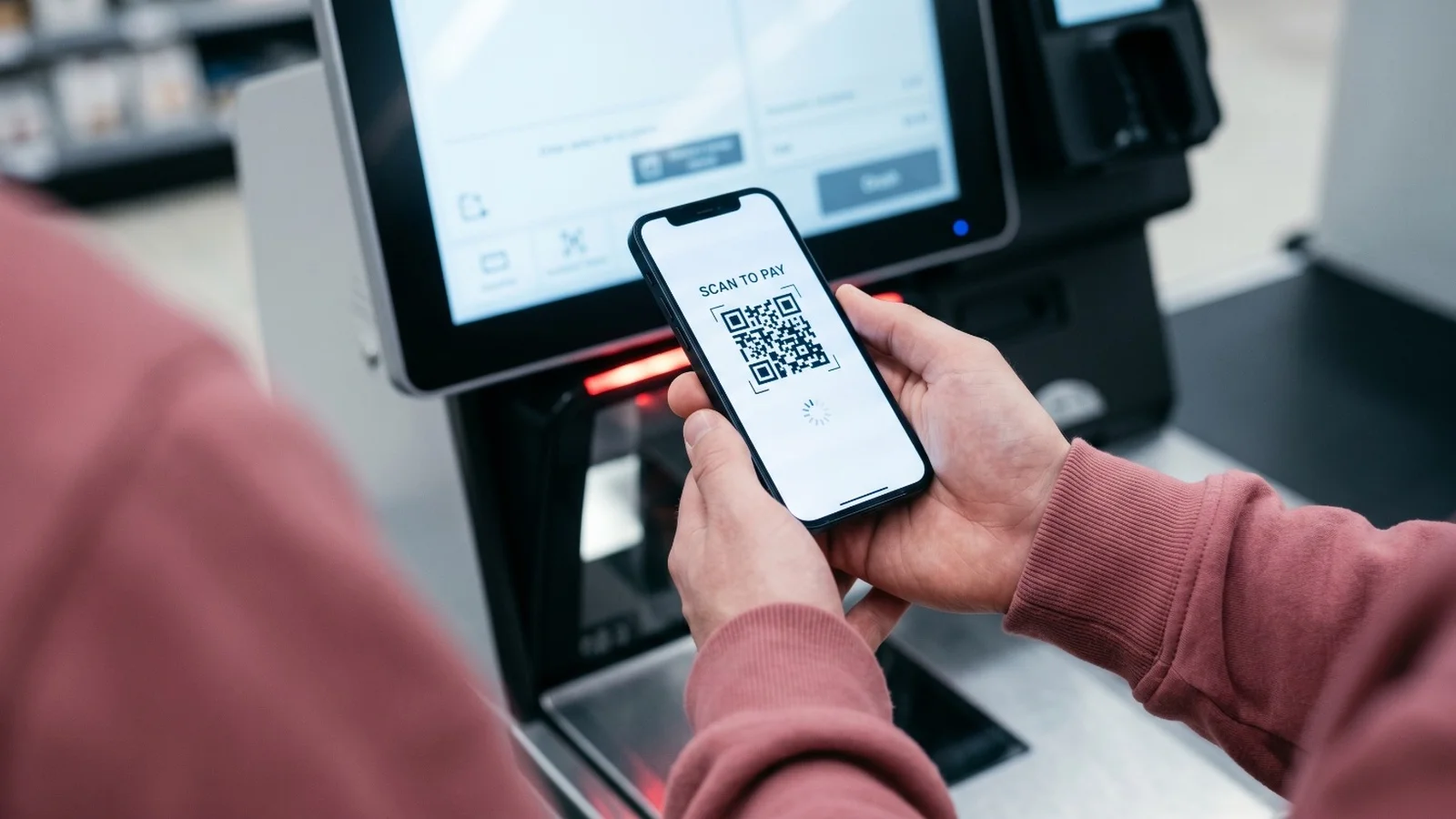
Occasionally, someone raises concerns that smartphone apps can perform all the tasks handled by an interactive kiosk. Although it's true that many kiosk functions can be accomplished on a smartphone, a recent study conducted at the Melbourne Sexual Health Centre in Australia found evidence that even so, kiosks can be more effective when it comes to some of those tasks.
The study, which evaluated completion rates between kiosks and smartphones in computer-assisted self-interviewing, found that patients completed significantly more health questionnaires when using touchscreen kiosks than when using their own smartphones. Researchers analyzed more than 56,000 clinic visits and found that questionnaire completion averaged 54% during the kiosk period, compared with 36.2% after the clinic transitioned to a smartphone-based system. The percentage of patients who failed to answer a single question also rose from 45.1% with kiosks to 57.4% with smartphones.
Researchers noted that smartphones are often viewed as more private and convenient than shared kiosks, but their findings suggest that the shift to personal devices led to lower response rates across virtually every question category. The largest declines were seen in questions related to same-sex sexual practices, while nonresponse rates also increased for questions involving HIV testing, sexually transmitted infections, contraception and drug use.
The study concluded that incomplete questionnaire data can reduce clinic efficiency because healthcare providers must spend additional time gathering missing information during appointments. Researchers said the findings highlight the importance of carefully evaluating digital self-service technologies before replacing established kiosk systems, particularly in high-volume healthcare settings where complete and accurate patient information is critical.
Related Media
Subscribe
Get the latest news and resources from Kiosk Marketplace.