Hardware
Leaner automated retail, part 2: Give the hardware a second life
For operators managing large fleets, one of the most practical sustainability strategies may be extending the useful life of equipment already on the balance sheet.
September 18, 2026 by Ben Wheeler — Dir. of Business Dev. - Automated Retail, T-ROC
 ChatGPT
 Grok
Grok Perplexity
 Claude
Automated retail has a habit of treating new technology as synonymous with new hardware.
A screen gets older.
A payment system changes.
A product program ends.
A brand redesigns its footprint.
Suddenly, a kiosk that may still contain a perfectly usable steel enclosure, display, motors, wiring, cooling system, or other components is labeled obsolete.
That can be an expensive assumption.
For operators managing large fleets, one of the most practical sustainability strategies may be extending the useful life of equipment already on the balance sheet.
Sometimes that means rebuilding it.
Sometimes it means harvesting components.
Sometimes it means giving the entire kiosk a completely different job.
Obsolete for one program does not mean obsolete
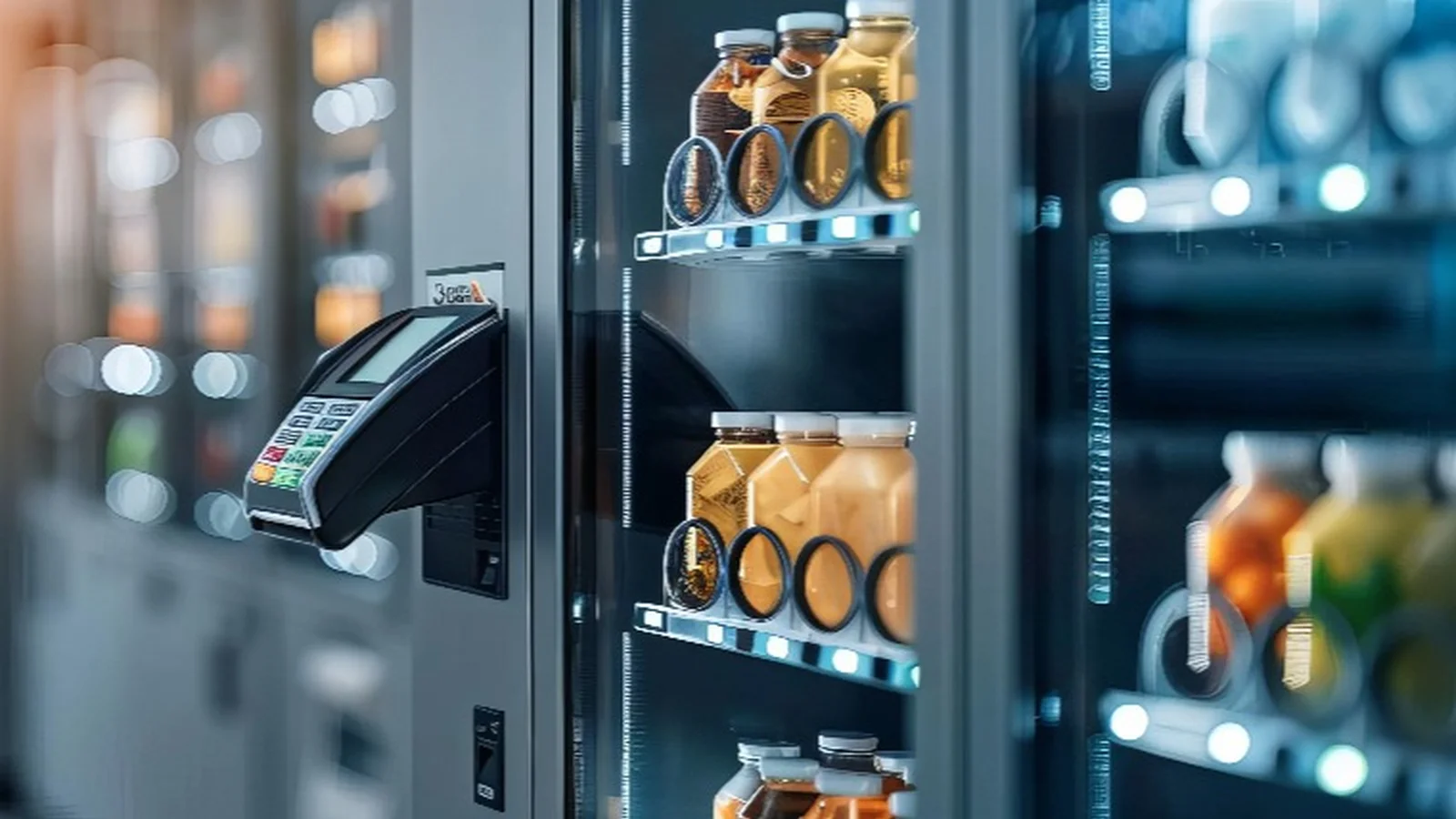
A kiosk is really a collection of systems.
There is the enclosure.
Payment hardware.
Display.
Computer.
Connectivity equipment.
Motors.
Sensors.
Cooling.
Lighting.
Power supplies.
Product-delivery mechanisms.
Branding may change long before many of those components reach the end of their physical life.
That creates an opportunity.
Rather than evaluating an older kiosk as one obsolete asset, operators can evaluate the remaining useful life of its individual parts.
Rebuilding can make more sense than replacing
Rebuilt vending equipment is already an established part of the market. ENERGY STAR, for example, maintains criteria that apply to both new and rebuilt refrigerated beverage vending machines.
A refurbishment program may involve stripping equipment down, replacing worn components, installing updated electronics, refreshing exterior panels or branding, and returning the unit to service.
The financial case depends on the condition of the equipment and the requirements of the new program.
But the first question should not automatically be:
"What new machine should we buy?"
It can be:
"What value is left in the machine we already own?"
Component harvesting creates another option
Even when a full kiosk is no longer worth rebuilding, parts of it may be.
High-value components may still have useful service life.
Depending on the equipment, which can include:
- Displays
- Payment components
- Power supplies
- Motors
- Product-delivery mechanisms
- Wiring assemblies
- Cooling components
- Sensors
- Controllers
- Structural panels
A disciplined component-recovery program can give maintenance teams access to tested spare parts while reducing the number of usable components being discarded.
That becomes particularly useful with older fleets where original replacement parts may be difficult or expensive to obtain.
The key is process.
Recovered parts should be inspected, tested, documented, and properly stored before being returned to service.
Reuse should never mean lowering reliability or safety standards.
Repurposing opens an even bigger door
The most interesting possibility is when the entire machine gets a new job.
A kiosk originally built around one product category may have a secure enclosure, digital screen, payment capability, connectivity, and product-delivery system that can support something completely different.
That creates possibilities beyond traditional snacks and beverages.
Older equipment may be reconsidered for applications such as:
- Corporate IT equipment distribution
- Personal-care products
- Electronics and accessories
- Beauty products
- Employee supplies
- Pickup and return services
- Controlled inventory distribution
- Recycling and return programs
The business case will depend on the physical design and applicable requirements, but the broader idea is important.
Automated retail hardware does not always have to retire with the program it was originally built to serve.
Reverse vending shows how far repurposing can go
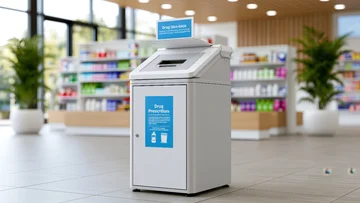
Another interesting area is reverse vending.
Instead of dispensing a product, these systems accept used containers or other eligible materials and can connect that activity to deposits, credits, or rewards.
The purpose changes completely.
The operating principles do not.
The system still needs to identify an item, record a transaction, communicate with software, and create a clear user experience.
That is a good example of why the automated retail industry should think more broadly about its hardware.
A kiosk is a physical platform.
What it does can change.
Lifecycle planning should begin before retirement
The best time to decide what happens to a kiosk at the end of a program is not necessarily the day the program ends.
Operators can begin thinking about asset life much earlier.
Questions worth asking include:
- Which components have the shortest service life?
- Which parts can be replaced independently?
- Is the enclosure adaptable?
- Can the display be upgraded?
- Can the payment technology change?
- Is the software architecture open enough for another use?
- Are replacement parts available?
- Could the equipment support a second product category?
- What should be harvested if the unit is retired?
- What is required by law to be disposed of properly, i.e., refrigerant coolant.
Those questions can influence purchasing decisions from the start.
Hardware that can be repaired, upgraded, and adapted may create more long-term value than equipment built around a single fixed use case.
This is also a capital conversation
Sustainability language can sometimes make this sound primarily environmental.
For an operator, it is also about capital.
If a viable asset can remain productive for another program, the business may defer or reduce the need for new equipment.
If tested components can support maintenance across an existing fleet, operators may reduce replacement purchases.
If a chassis can support a new retail concept, the organization may gain another revenue-producing asset without starting from zero.
That deserves the attention of finance and operations teams, not just sustainability teams.
The bottom line: Think in lifecycles, not launches
At T-ROC, we spend a lot of time thinking about what happens after an automated retail deployment.
Launching the unit is one milestone. What happens during the next several years matters more. Equipment needs to be serviced. Technology changes. Programs grow. Product categories change. Brands refresh. Some locations outperform expectations. Others need a different solution. That is why asset planning should account for the full equipment lifecycle.
The smartest automated retail networks will not necessarily be the ones that replace equipment fastest. They will be the ones who know what to maintain, what to upgrade, what to rebuild, what to repurpose, and when replacement truly makes the most financial sense. That approach reduces waste.
More importantly, it treats every piece of hardware as an investment that should produce as much useful life as possible. And for operators managing hundreds or thousands of assets, that mindset can add up quickly.
About Ben Wheeler

Related Media
Featured Vendor

Grow faster using DPL’s AI Powered Hercules Platform featuring built-in RMS. Level the playing field with unparalleled remote management capability. Spend less time putting out fires and more time landing locations with DPL’s managed wireless service, referred to as the “gold standard” amongst operators.
Subscribe
Get the latest news and resources from Kiosk Marketplace.
Recent Posts