Restaurants
Unmanned restaurants expand in South Korea as labor costs rise
October 26, 2026
 ChatGPT
 Grok
 Perplexity
 Claude
Unmanned restaurants are gaining popularity in South Korea as rising labor costs and staffing challenges prompt business owners to adopt self-service technology, according to a Chosun Daily report.
The trend, previously concentrated in laundromats, convenience stores and other businesses requiring limited employee interaction, is spreading to restaurants serving meat, sushi and traditional Korean dishes. At an all-you-can-eat barbecue restaurant in Yongin, customers grill their own meat, prepare soybean paste stew and collect side dishes during unstaffed hours.
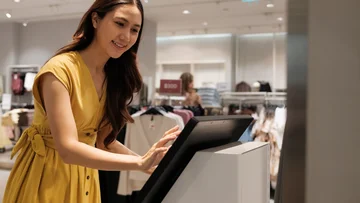
Meanwhile, a sushi restaurant in Seoul allows customers to select packaged meals from refrigerated displays and pay through a self-service kiosk. Restaurant operators say the technology reduces payroll expenses while allowing them to pursue other business activities. South Korea's minimum wage has increased 71% over the past decade, reaching approximately $7.79 per hour in 2026.
The shift toward unmanned dining has produced financial benefits for some operators. The owner of a Seoul restaurant specializing in beef bone soup reported cutting labor costs in half after switching to an unstaffed model.
However, theft and payment fraud remain significant concerns. According to National Police Agency figures cited by The Chosun Daily, reported thefts at unmanned businesses reached approximately 11,000 in 2025, an 83% increase from three years earlier. Some operators have responded by installing surveillance cameras, payment-monitoring kiosks and AI-based inventory systems. Others require customer registration or identification during unstaffed hours. Despite these challenges, approximately 12,000 unmanned stores were operating in South Korea in 2026, according to Samsung Card data, reflecting continued interest in automated retail operations.
The expansion also raises questions about the limits of self-service technology, particularly in restaurants where food preparation, customer assistance and regulatory compliance traditionally depend on employees. Some businesses have adopted hybrid operating models, retaining staff during busy periods while relying on kiosks and automated systems during slower hours. Operators selling alcohol face additional challenges verifying customers' ages without employees present. Industry observers say the growing use of unmanned restaurants reflects mounting economic pressure on small businesses, although concerns about theft, security and customer service could influence how widely the model is adopted.
Related Media
Subscribe
Get the latest news and resources from Kiosk Marketplace.
Recent Posts