Hardware
Self-checkout's shrink problem persists, report says
June 22, 2026
 ChatGPT
 Grok
Grok Perplexity
 Claude
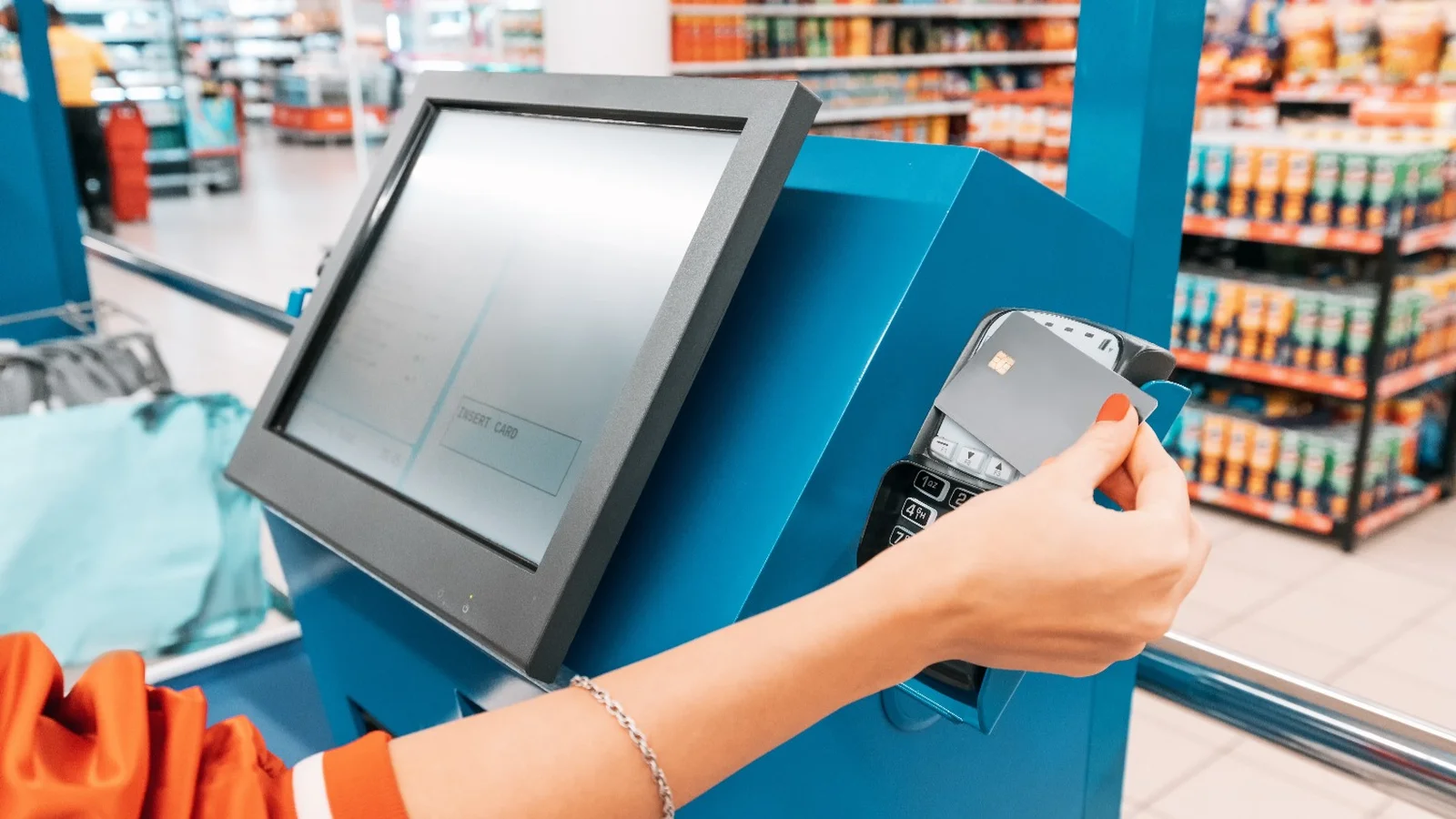
A new industry report finds that self-checkout has become the dominant transaction method in many retail stores, but it continues to generate higher levels of shrink and operational losses than traditional checkout lanes. The Self-Checkout Loss Report 2026, authored by University of Leicester Professor Matt Hopkins and commissioned by ECR Retail Loss, analyzed data from 39 retailers representing more than $1.16 trillion in annual turnover. Researchers found that 54% of transactions in stores equipped with self-checkout now flow through those systems, highlighting how deeply the technology has become embedded in modern retail operations.
The study found that stores typically experience higher losses after adopting self-checkout. Researchers estimated an average increase of 22% in shrink during the first year after implementation, while stores with self-checkout reported losses that were, on average, 33% higher than comparable locations without the technology. The report noted that the impact varies widely by retailer, store format and customer demographics, but concluded that self-checkout remains a significant driver of retail loss.
Among the leading causes of self-checkout loss, missed scans were identified as the most common, occurring in an estimated 1% to 4.8% of transactions. Other contributors included product lookup errors, items left in shopping carts, barcode switching and payment "walkaways," where customers leave with merchandise after a failed payment transaction. While missed scans were the most frequent issue, walkaways generated the highest average loss per incident. The report also found that loss tends to rise as self-checkout utilization increases, with retailers reporting greater shrink as a larger share of transactions move through self-service lanes.
Despite the challenges, the report concluded that self-checkout losses can be managed through a combination of technology, store design and staffing strategies. Researchers highlighted interventions such as exit gates, personal display monitors, missed-scan detection technology and active staff supervision as promising approaches for reducing loss. The study also called for more rigorous measurement of self-checkout-specific losses and stronger return-on-investment analysis to help retailers better balance labor savings, customer convenience and shrink reduction.
Related Media
Subscribe
Get the latest news and resources from Kiosk Marketplace.