Transportation
EU rebuffs calls to pause biometric border system despite airport delays
July 9, 2026
 ChatGPT
 Grok
Grok Perplexity
 Claude
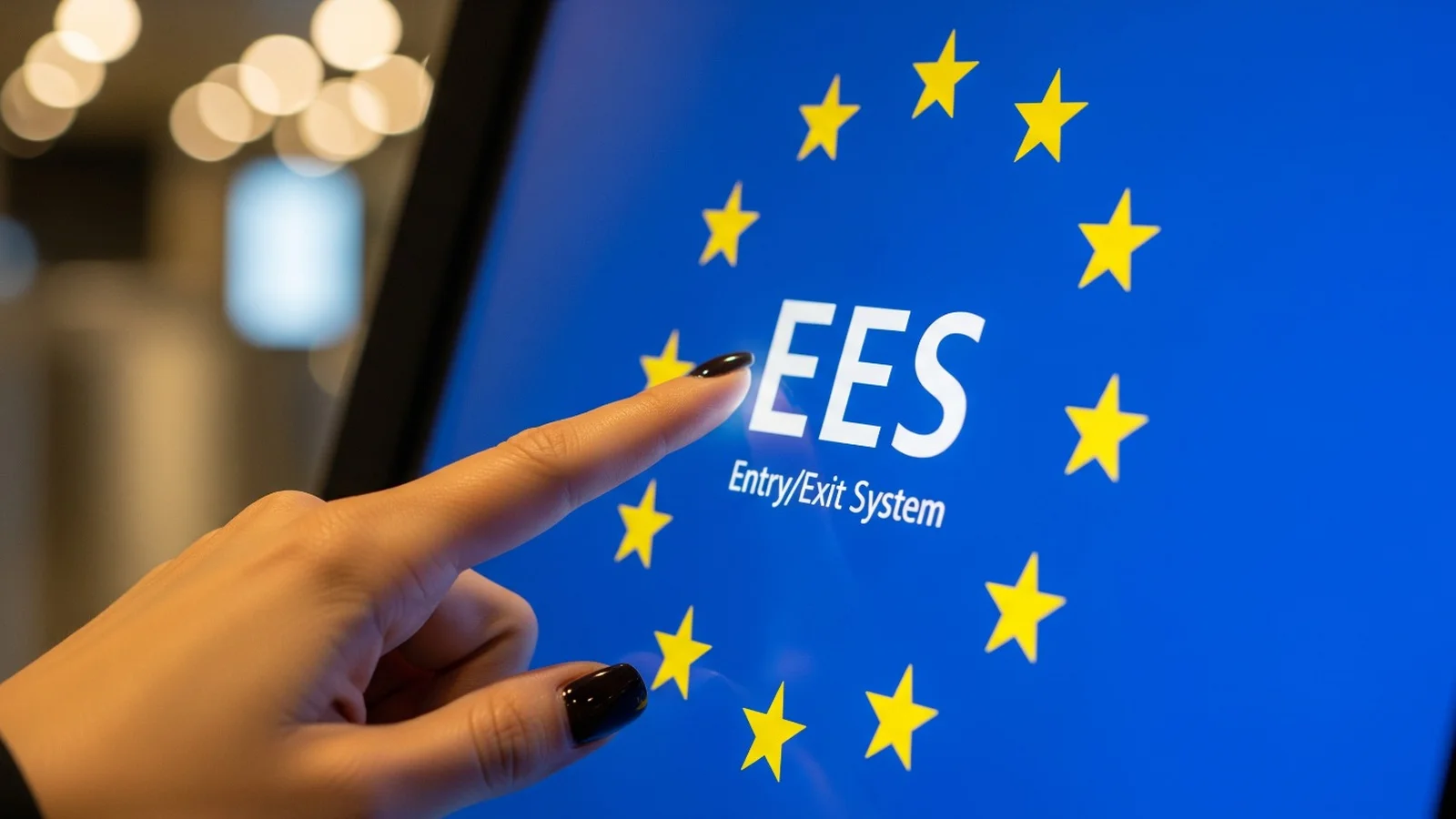
European Union officials have rejected calls from the aviation industry to suspend the bloc's new Entry/Exit System, according to a New York Times report, stating the biometric border screening program remains essential despite reports of long airport lines, confusion and missed flights.
The system, which became fully operational in April across the 29-country Schengen area, requires most non-EU travelers to register facial images and fingerprints upon entry and verify their identities when leaving. EU officials said the system has already recorded 110 million trips and denied entry to about 45,000 travelers.
Airlines and airport operators had urged the European Commission to temporarily halt the program during the busy summer travel season, arguing that inconsistent implementation has disrupted airport operations and damaged Europe's tourism industry. Current registration methods vary widely by airport, with some locations using self-service biometric kiosks while others rely on manual processing by border officers. Only Sweden and Portugal currently offer a dedicated mobile app for travelers to complete portions of the registration process.
Industry groups say the inconsistent use of kiosks, manual procedures and staffing levels has contributed to lengthy waits. A survey of 85 airports in 20 European countries found passengers waited as long as five hours during peak travel periods in June. Travelers have also reported being asked to repeatedly submit biometric information despite the system's ability to retain data for up to three years.
Despite the complaints, the European Commission said the security benefits outweigh the operational challenges and declined to suspend the program. Airlines, including Ryanair, have warned passengers to arrive early at airports experiencing significant delays, while some airports, including Rome Fiumicino, have temporarily suspended biometric collection during peak periods to help reduce congestion within the limits allowed under current regulations.
Related Media
Subscribe
Get the latest news and resources from Kiosk Marketplace.