Hardware
More optometrists raise concerns over vision testing kiosks
March 6, 2026
 ChatGPT
 Grok
Grok Perplexity
 Claude
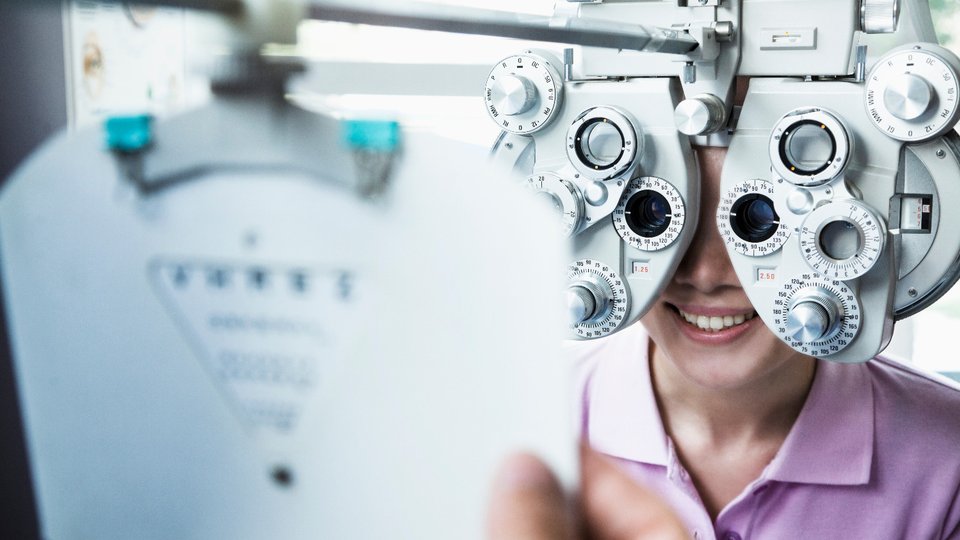
AI-enabled vision-testing kiosks are expanding rapidly across U.S. retail environments, but optometric organizations continue to raise concerns about patient safety, regulatory compliance and the potential for consumer confusion. The kiosks provide quick, touch-free vision assessments that can generate eyeglass prescriptions after remote review by licensed professionals, but critics worry consumers may mistake these screenings for comprehensive medical eye exams.
Professional groups such as the American Optometric Association (AOA) argue that marketing and convenience could lead patients to rely on the technology rather than seeking full clinical evaluations, according to the trade publication Vision Monday.
While the kiosks measure vision and refractive error, they cannot perform essential diagnostic procedures such as testing intraocular pressure, which is necessary for detecting serious conditions like glaucoma. Because many eye diseases progress without symptoms, optometrists are concerned that relying solely on kiosk results could delay necessary treatment, increasing the risk of permanent vision damage.
The AOA has also questioned whether partnerships between technology providers and eyewear retailers comply with federal rules requiring separation between eye examinations and product sales. Several state optometric associations have challenged major retail rollouts, particularly Walmart's pilot programs, raising questions about patient safety standards, professional oversight and transparency in corporate healthcare partnerships.
Despite these criticisms, companies developing the kiosks maintain that the technology is meant to complement, not replace, traditional eye care by improving access for individuals who face barriers related to cost or convenience.
Related Media
Subscribe
Get the latest news and resources from Kiosk Marketplace.